One of the easiest traps a fiction writer can fall into and how to avoid it.
One of the biggest problems I notice even among accomplished writers is a tendency toward coyness. We resist giving the reader essential information in order to make way for some huge Sixth Sense–style reveal later on.
Okay why is that a problem? Well, broadly, the trouble is that often we’re leaving the reader out of the experience of the dramatic action itself in order to make way for something that happens later, but if the reader isn’t experiencing dramatic action along the way, they’ll put the book or story down long before they get to that part.
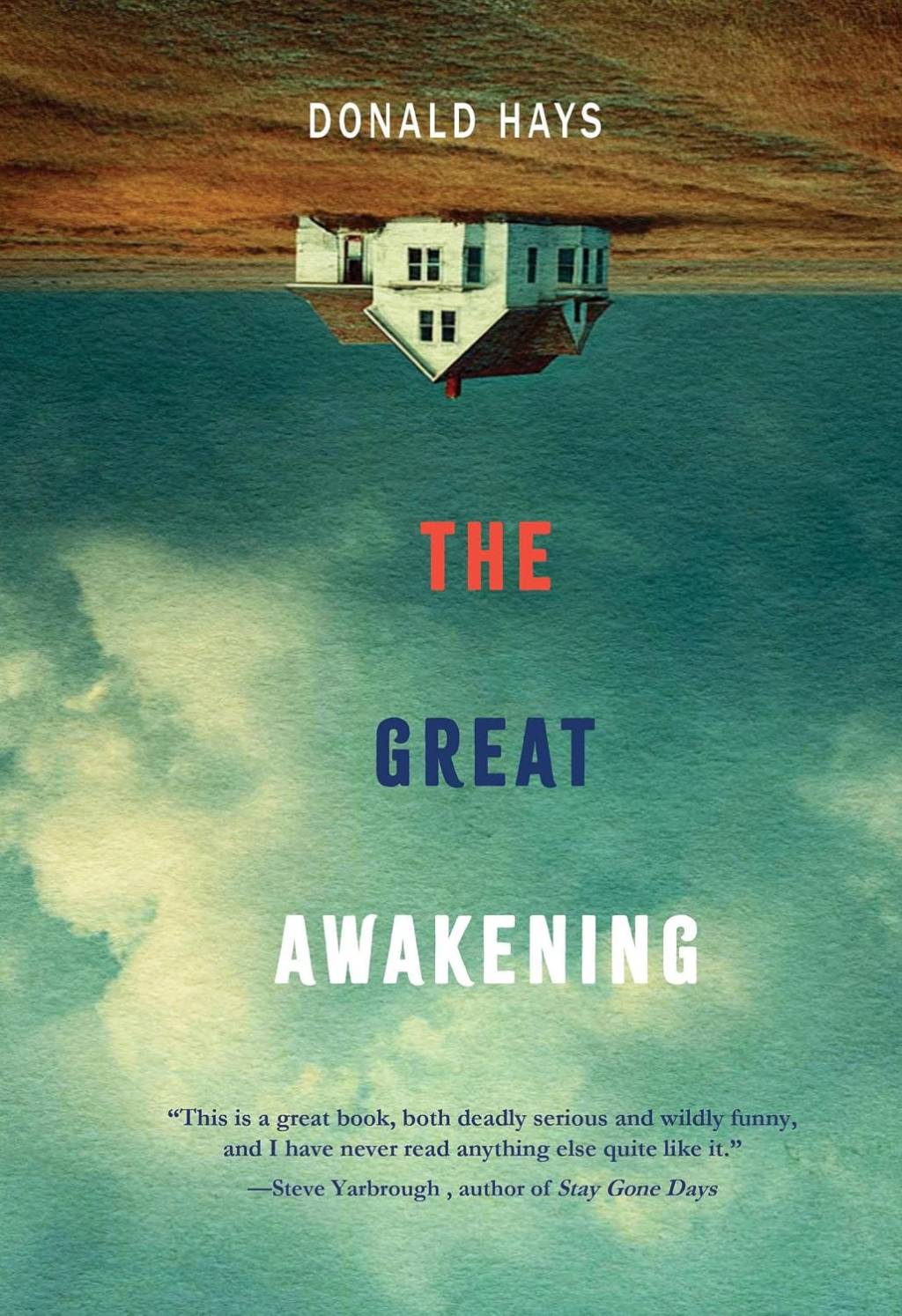
The best explanation I know came to me from the great Skip Hays at the University of Arkansas, who said he got it from Alfred Hitchcock. (We recently lost Skip to lung cancer. That’s the cover of his latest, and final, book above.) Skip told us to imagine a film about a dinner party, and at the end of that dinner party, a bomb explodes. Okay, well, I guess that’s kind of exciting for those last few seconds of the story. So now imagine a film about a dinner party, but we’re shown the bomb ticking down at the beginning. Way better, right? That’s dramatic irony. Here, the reader/view knows something the characters don’t. That’s the inverse of coyness. Instead of locking the reader out of the secret, you hand them the secret and lock the characters out. And it’s super effective.
So why is coyness so very tempting?
Well, I think it’s tied into ideas about literature as cleverness. We get taught early on that good literature is clever literature, that the very best writing is and should be the hardest to understand, that the gulf of understanding between us and James Joyce is the measure of our stupidity versus his greatness. So, we yearn to be on that side rather than this one.
In a turn like the one in The Sixth Sense, there’s this cathartic moment when the viewer’s cleverness meets Shyamalan’s, when the new truth is revealed and we have this rush of insight whereby we reevaluate everything we’ve ever seen up until that point. It’s sort of like when an English teacher finally prods us into understanding that “Hills Like White Elephants” is really about abortion but way more fun.
Usually, coyness is a particular problem when it’s built around a situation that both character and writer are in on and it’s only the reader being left out. Let’s say our hero Gordon knows there’s a cache of gold bars buried under the living room floor even as his impoverished best friend Jimbo comes over to ask for some dried beans to get him through the day. Then let’s say our hero just conveniently decides not to mention the bars even to himself . . . See the issue? Gordon is experiencing something (probably guilt), and the writer is experiencing something (Gordon’s guilt + his own cleverness), but we, the reader are excluded from the character’s primary experience altogether. Now, notice that this is actually different from Shyamalan’s trick, because his character doesn’t know the truth either. But we’ll get back to that in a bit.
For now, consider that coyness, like just about everything else in writing, exists on a sort of sliding scale. At one far end, there’s a tendency to leave out the essentials altogether. We open a scene and the writer doesn’t tell us anything at all about who, where or when . . . and all in the name of building tension. But it’s not really tension when we have nothing to grab onto—no material with which to conjure a vivid mental image that is the substance of narrative at all. That feeling is frustration. As I continue to tell my clients and students, the least interesting question a story can ask is what the hell is going on?
On the closer end, there’s the general truth that stories can and should generate questions to build tension. But these questions work better when they’re fairly specific. Who killed the sushi chef? Who else knows about the gold bars under the living room? Why did Sarah just steal Lucille’s lip balm and then ask Lucille for some lip balm? In a well-built narrative, questions and answers are strung out all along the way like a trail of breadcrumbs leading to a big piece of toasty sourdough.
Okay, what’s a situation where coyness might just be appropriate? Well, I’d say it’s a moment when the main character actually doesn’t know the situation either AND when the reality of the story more or less adds up without that crucial bit of knowledge. And that brings us back to The Sixth Sense. Yes, it feels weird that Bruce Willis’s character is so distanced from his wife, but he’s also a workaholic suffering from trauma and neck deep in a case about an adorable terrified little kid who sees dead people. So, in the moment, we sort of write it off, because we’re pulled into this particular reality, this particular mystery.
If you think maybe you’re being too coy in your writing, try the version of the story where the big reveal is actually mentioned right in the beginning and see if it’s better. I can pretty much guarantee you that it will be better.

